
Peace Activism Campaign
Give Power to nonviolence!

Project duration: January-December 2026
What do we mean by nonviolence?
Nonviolence is the active practice and strategy of refusing to use physical, verbal or psychological harm to achieve ones objectives. Instead nonviolent dialogue, education and compassion are sought as alternatives pathways. The focus of nonviolence is therefore on forgiveness and compassion for and reconciliation with the opponent instead of engaging in hate practices. Nonviolence is a tool to political and social change and research has shown that nonviolent movements succeeded about twice as often as violent ones in the 20th century, with successful examples of nonviolent civil resistance for civil rights movement such as ending racial segregation or gaining voting rights.
Background
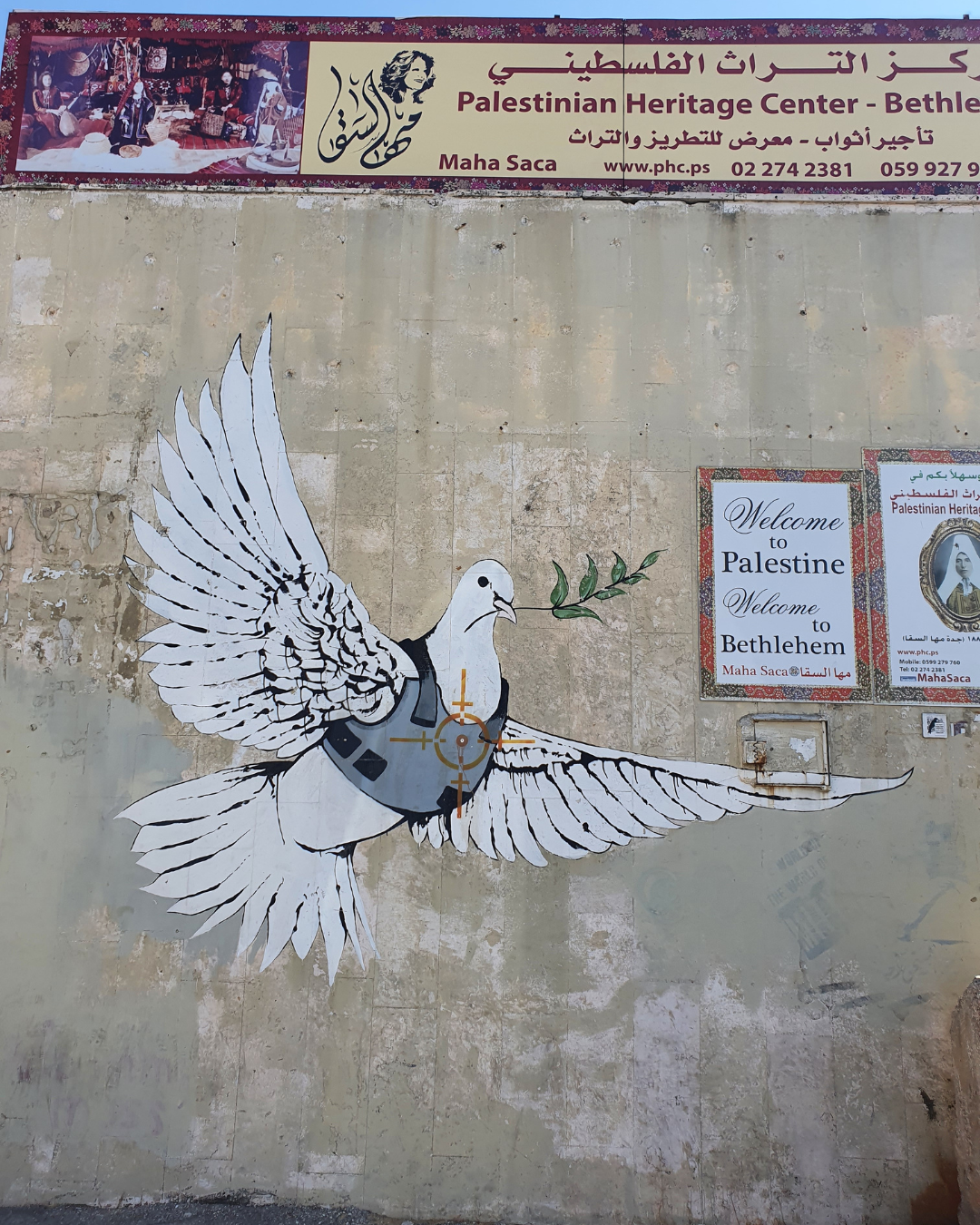
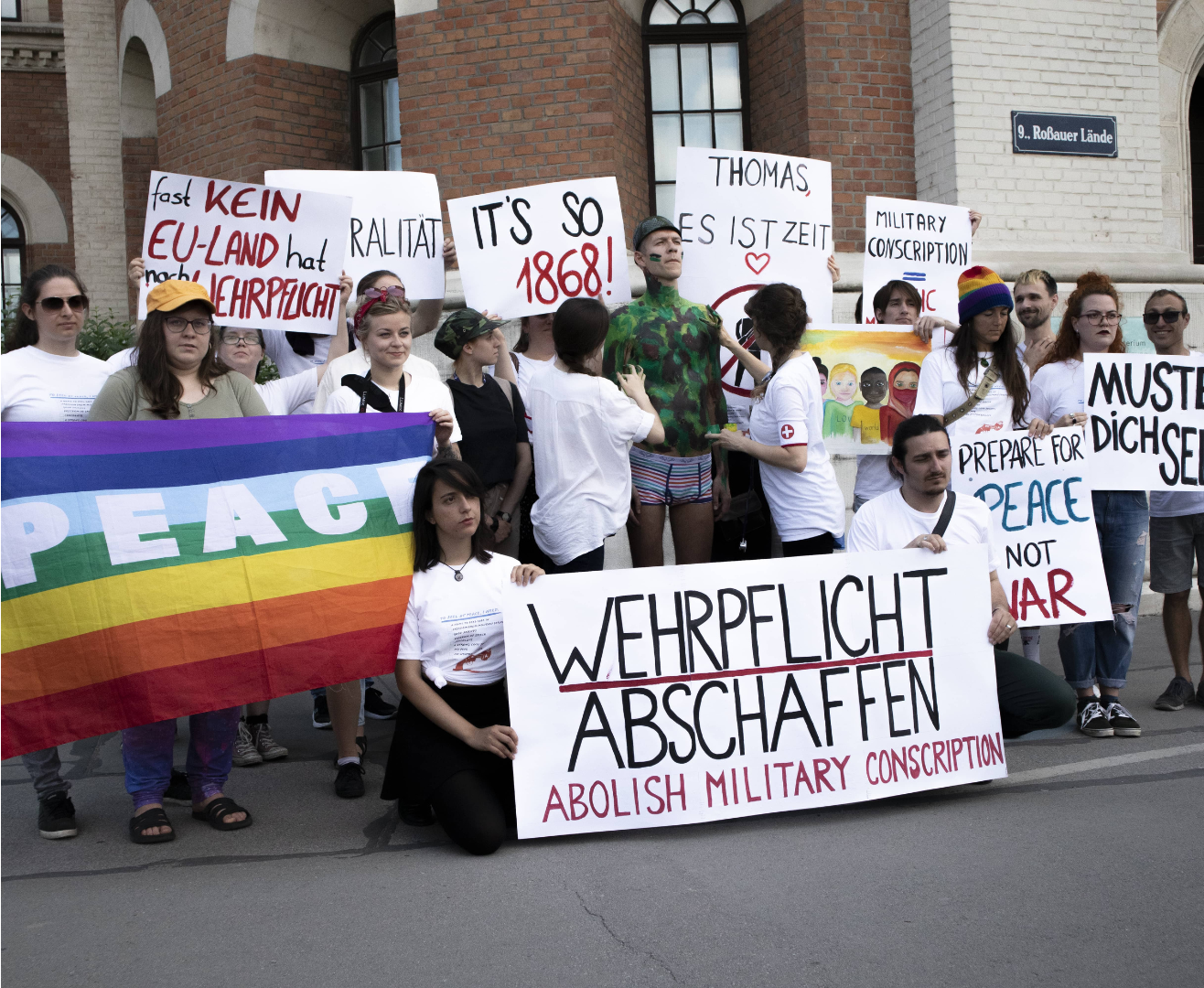
As our societies and their way of engaging in volunteering have changed, so have our activities, to meet the needs of communities and volunteers. Volunteering camps are only one of the activities that we organise for peace. Many other activities engage volunteers in diverse forms of peace activism, adapted to local contexts and sensitivities.
While our peace activism takes many forms throughout our organisations, it always prioritises concrete actions over symbolic ones (“Deeds not words”) and works towards positive peace − which is more than the absence of war −, making an active effort to create a just and equitable society.
With this campaign, we aim to highlight SCI peace activism activities, encouraging the exploration of one of our main values and strategies: nonviolence. We want to strengthen SCI’s identity as a peace movement and a peace organization, rooted in its antimilitarist beginning.
Activities
The Peace Activism Campaign aims to combine a variety of activities that 🪷 focus on nonviolence as a tool for social justice and positive peace, are 🌏 local-to-global by addressing a local issue while drawing links to broader global challenges, and are ⛏️ action-oriented, going beyond discussion to support real action for peace.
It includes both internal and external events as well as activities that focus on different levels of peace ranging form inner peace, peace with others to peace with nature.
The activities fall under the following three categories:
Awareness raising activities

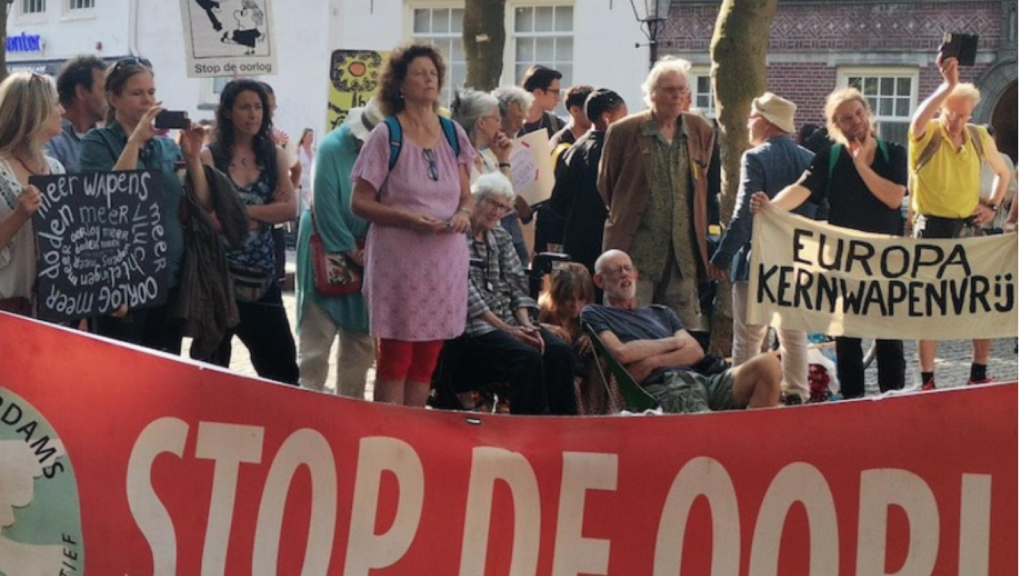
“Stop the War” Demonstration
Hosted by VIA Netherlands, the “Stop the War” demonstrations in Amsterdam take place every 24th of the month, bringing together people who want to speak out against the ongoing war in Ukraine and stand against all forms of armed conflict. Using nonviolent methods, these events combine protests, music, poetry, and public speaking to raise awareness and take a powerful stand against war, militarization, and nuclear weapons. The demonstrations are not only a symbol of active resistance, but also a celebration of peaceful activism and solidarity.
Engagement activities

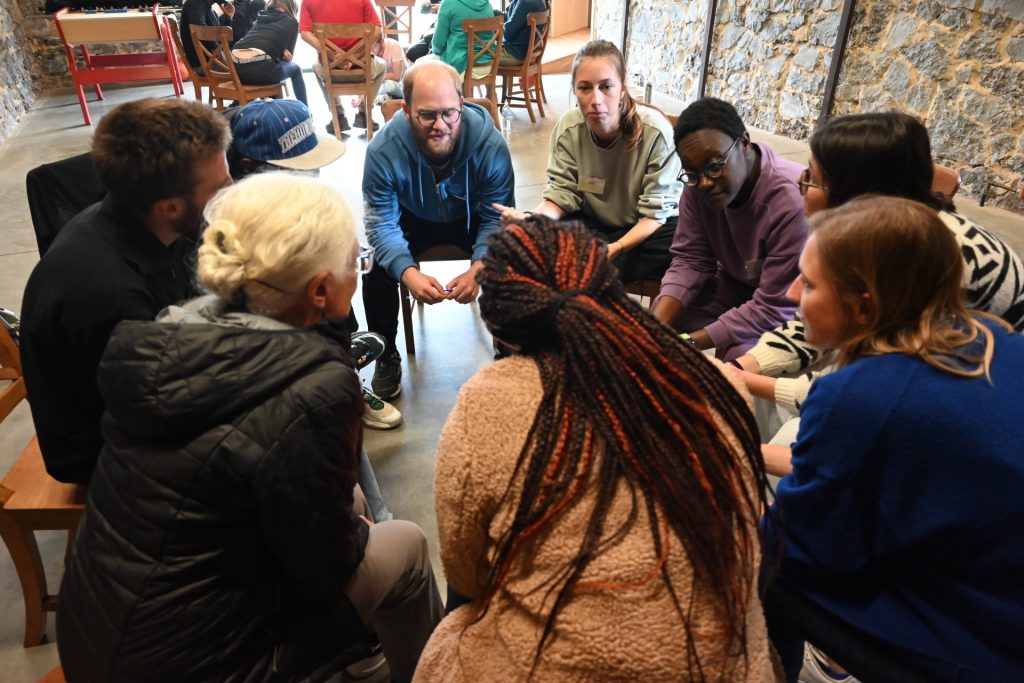
Peacebuilding Training – March 13–15
Organized by SCI Belgium, this 3-day training invites 16 participants to develop essential skills in conflict management, nonviolent communication, emotional awareness, and the practice of pacifism in everyday life.
In today’s world, these skills are more important than ever, and applying them is a form of active resistance.
Advocacy activities

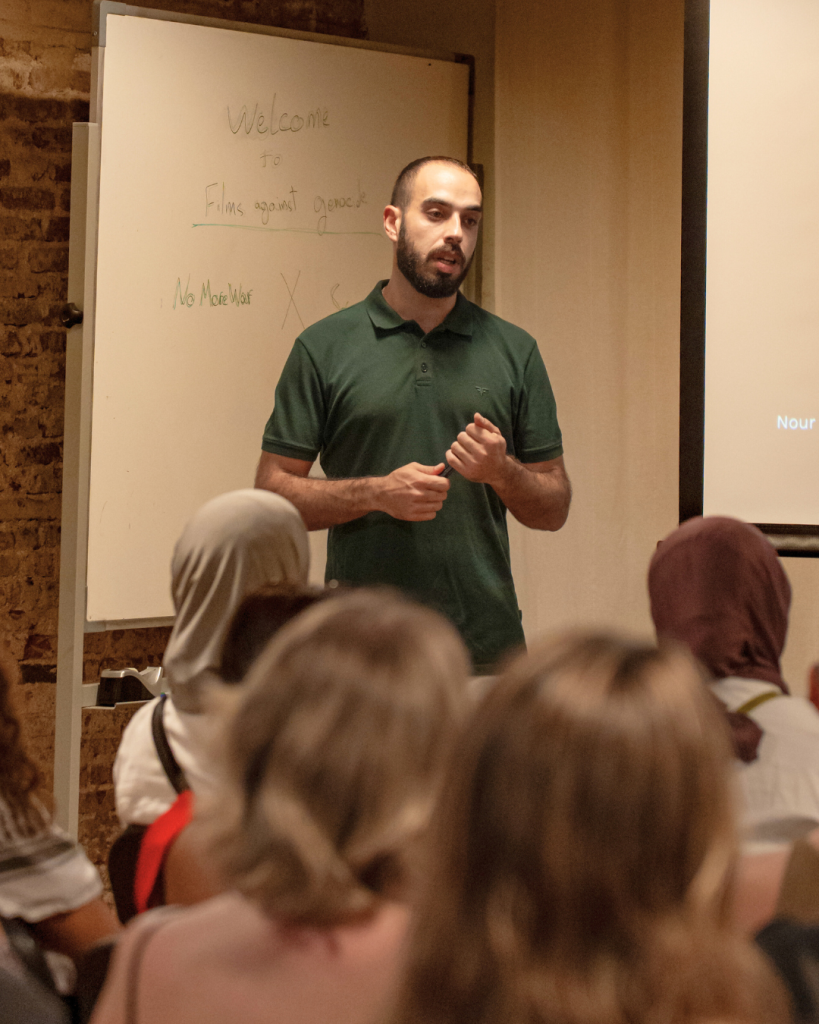
This project organized by SCI Catalunya will aim to change the political discourse for a more peaceful world by offering training sessions and workshops on nonviolence, creating a research working group on Arms Trade, Peace and Nonviolence, Militarism and Gender, coordinating and facilitating the Midicat activist group that promotes nonviolence and human rights in the MENA region, writing publications, research reports and communication campaigns and connecting with local organizations.
Learn more…
Explore the ideas, methods, and approaches that inspire the Peace Activism Campaign. Here you will find background information on nonviolent action, peacebuilding, social change, and other topics that provide context for the campaign and its activities.
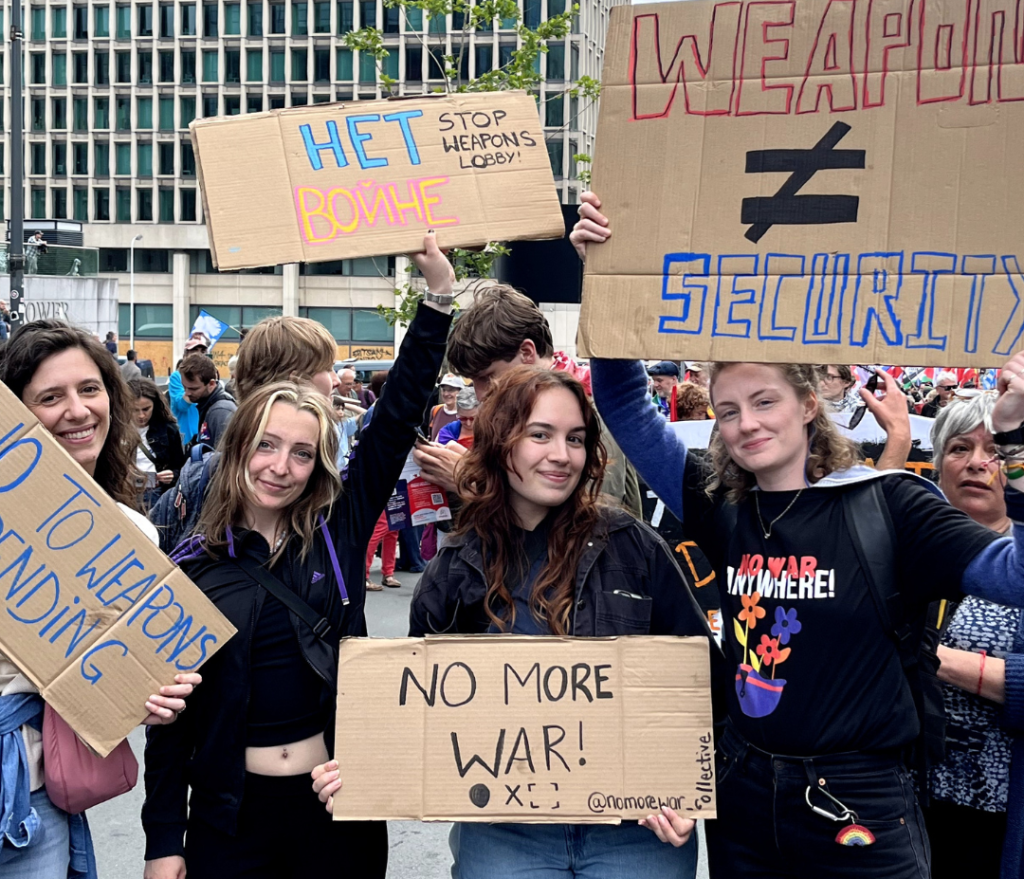
Active resistance
Active resistance is direct and sustained action against a power or authority to bring about social, political, or economic change. It can be public and organized through protests, demonstrations, marches, and boycotts, or hidden through art, music, poetry, films, and cultural practices that criticize power holders. Both forms aim to challenge existing power structures and improve conditions for individuals or groups.
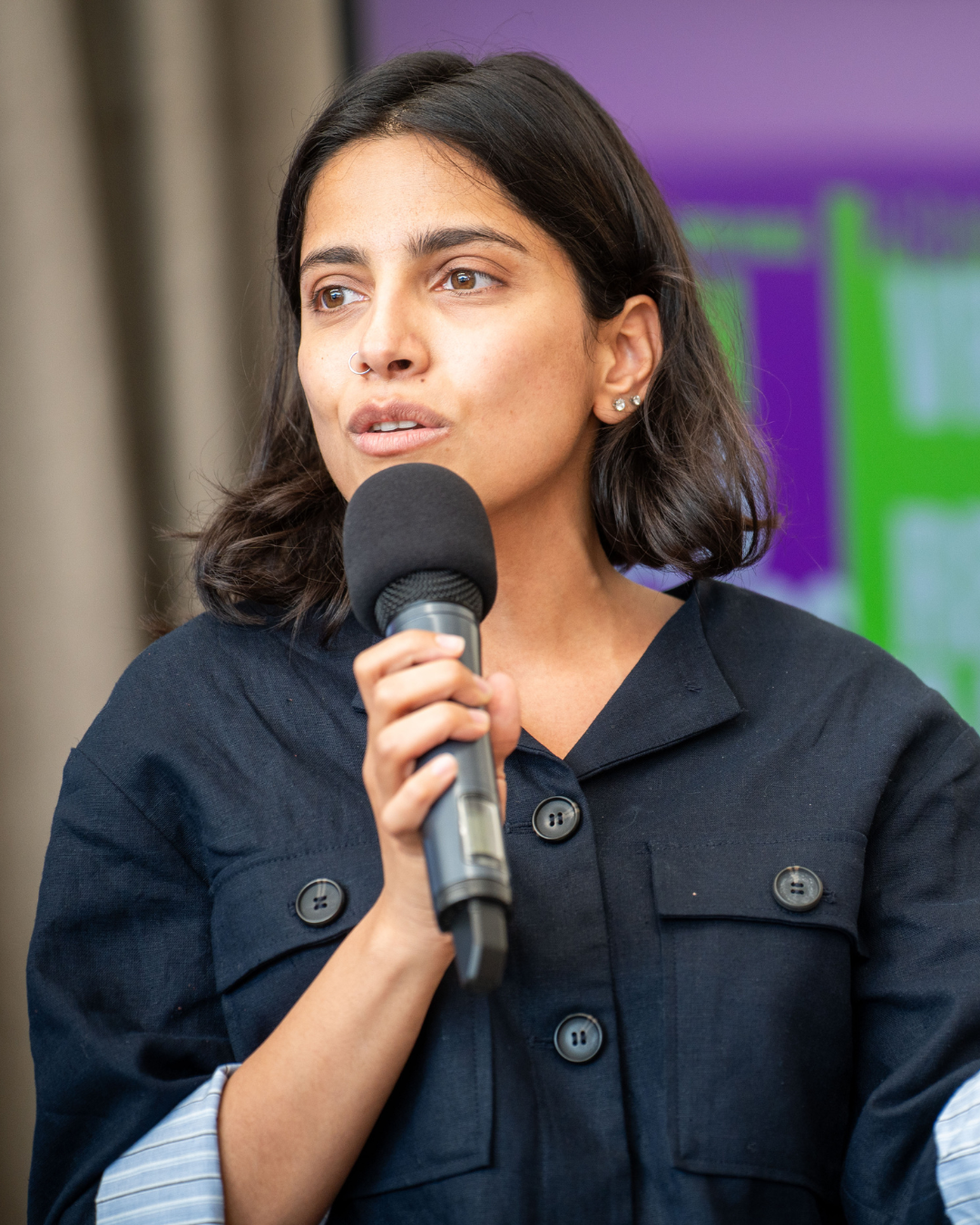
What is non-cooperation?
Non-cooperation is a deliberate nonviolent strategy aimed to destabilise systems considered unjust by withholding vital economic, political and social support from powerholders. This puts pressure on the latter to address grievances and negotiate solutions.
Non-cooperation can take place at the political, social or economic level through the boycott of elections, the breaking and refusal to follow unjust laws, the ostracism of collaborators or labour withdrawal through strikes.
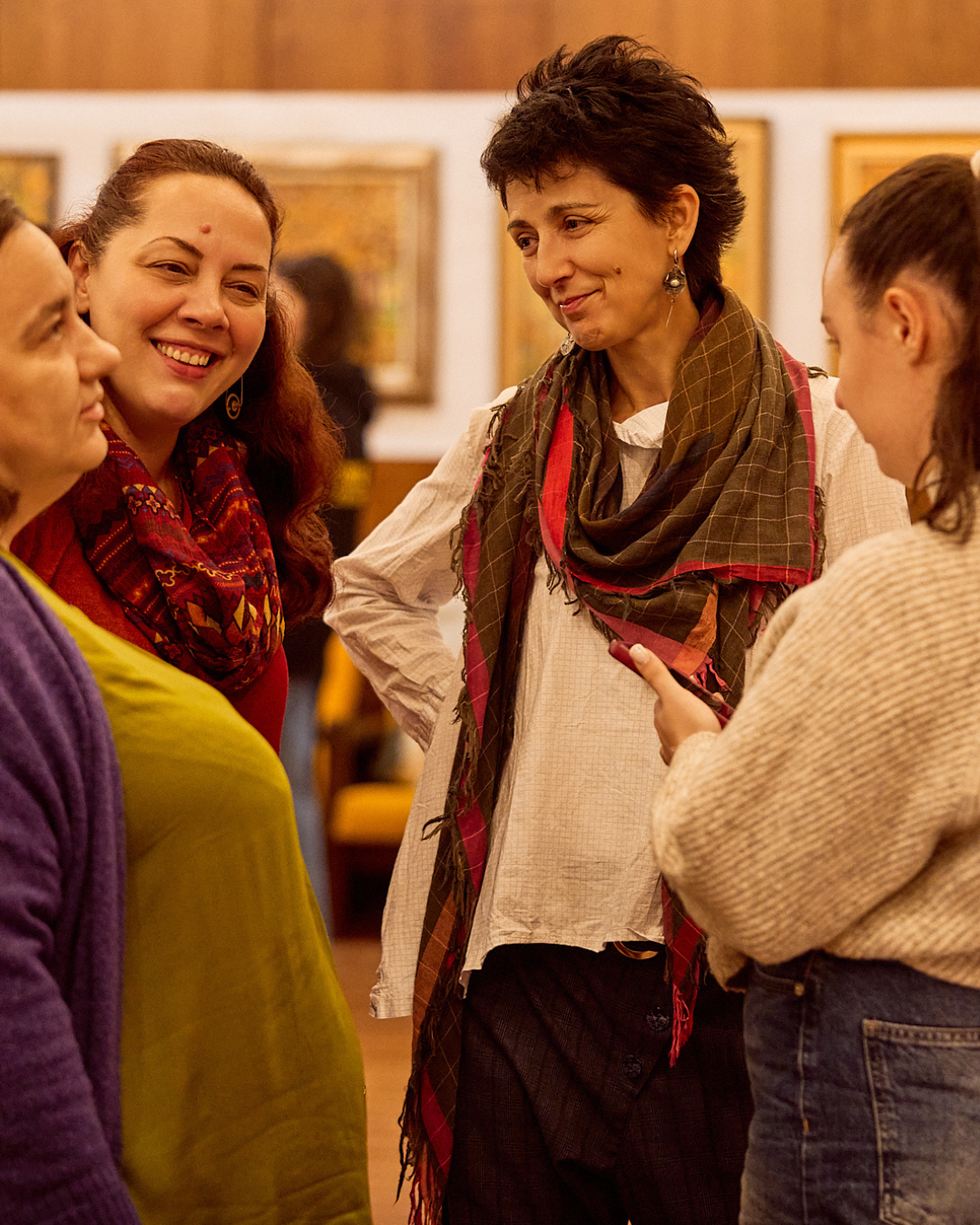
Nonviolent communication
Nonviolent communication (NVC) is a way of communicating that promotes empathy, honesty, and mutual respect. Instead of blaming or judging others, it encourages people to express their feelings and needs openly while listening with understanding. By focusing on connection rather than conflict, NVC helps build healthier relationships, create safe spaces for dialogue, and find solutions that respect everyone’s needs.
Funders