
My Volunteering Experience in the Kakamega Rainforest Programme
September 2026
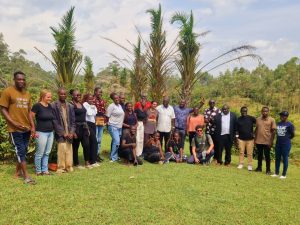
Volunteer camp
My Volunteer Camp Experience
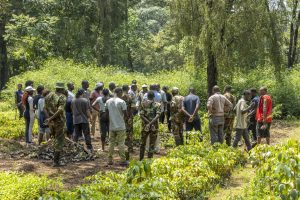
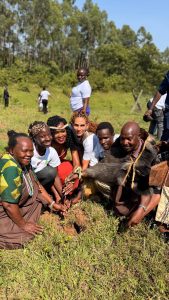
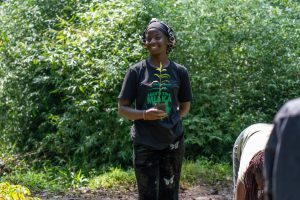
My volunteering experience in the Kakamega Rainforest was a meaningful journey of learning, conservation, cultural appreciation and community engagement. The programme provided an opportunity to understand how local communities are protecting biodiversity while preserving indigenous knowledge and creating sustainable livelihoods from the resources within their environment.
One of the highlights was our visit to the Muliru Farmers Conservation Group, a community-based organization passionate about the conservation and commercial cultivation of indigenous medicinal plants. The experience demonstrated that Africa possesses a wealth of traditional herbal knowledge that, when properly documented, developed and sustainably commercialized, can contribute to both community livelihoods and the preservation of cultural heritage. We learned about the group’s work with Ocimum kilimandscharicum, an indigenous medicinal plant with applications in herbal products, including soaps and cosmetics. The group has transformed local knowledge into practical products while promoting the sustainable use of biodiversity.
I also learned about the group’s apiculture activities involving stingless bees. Beyond supporting pollination and biodiversity, the honey produced from these bees has nutritional and medicinal value and is recognized for its antioxidant properties. This experience showed us how conservation can be connected to entrepreneurship, food security, health, and sustainable livelihoods.
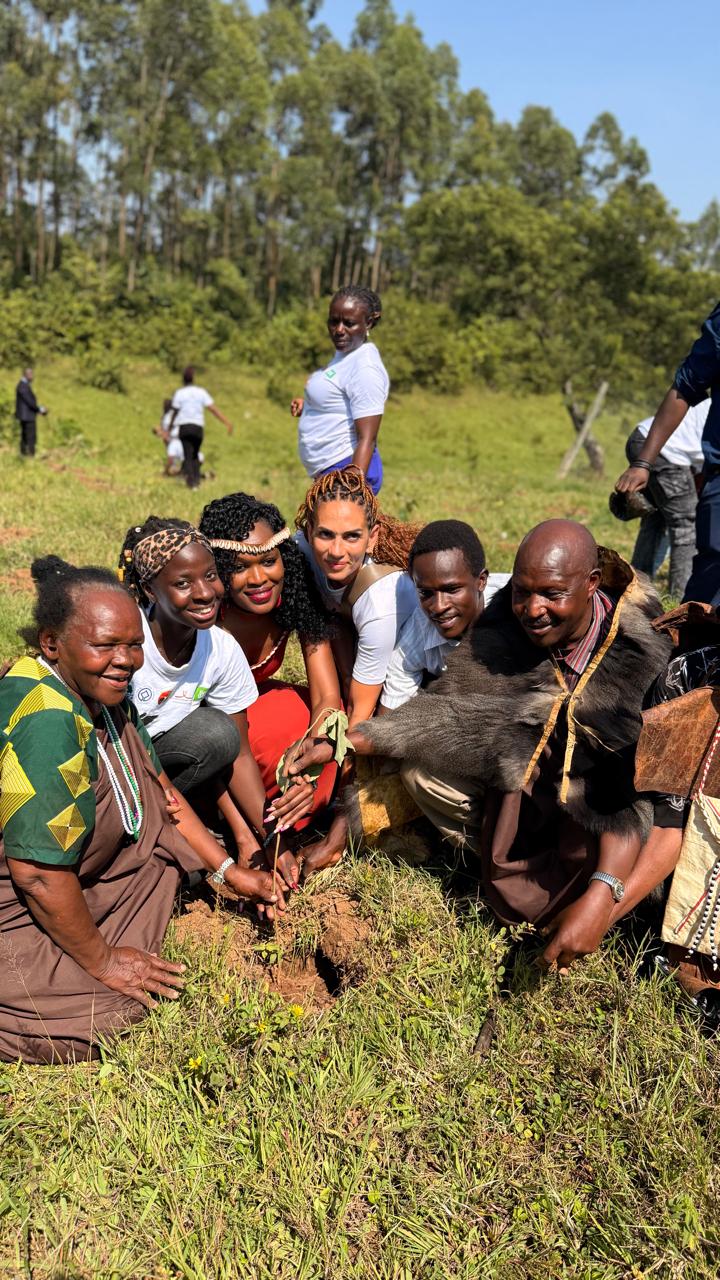
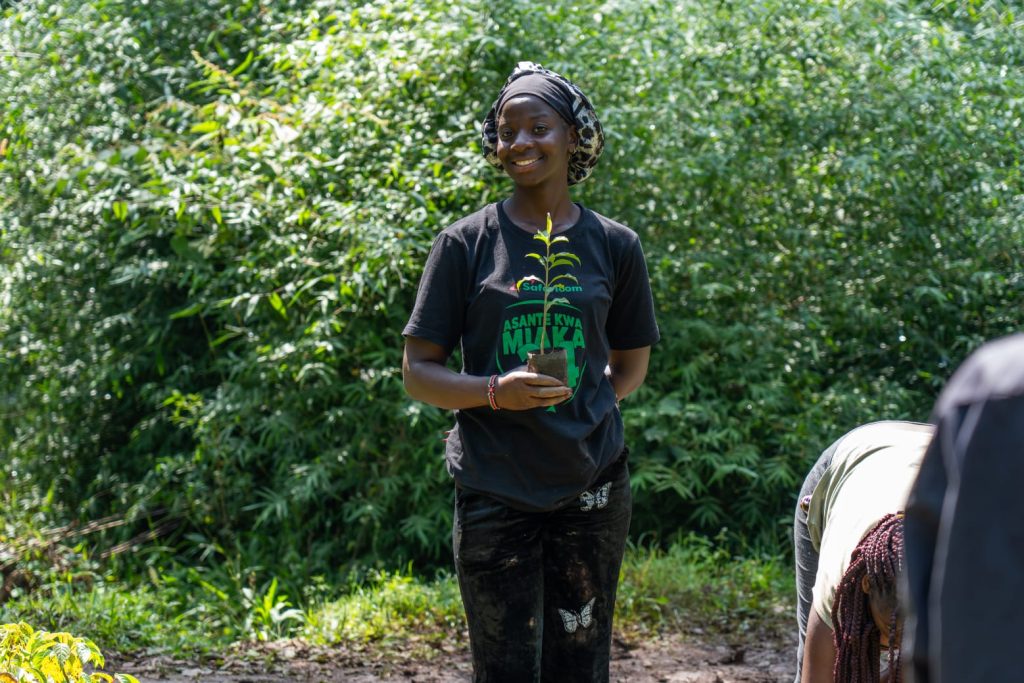
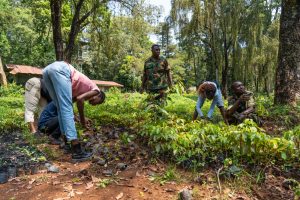
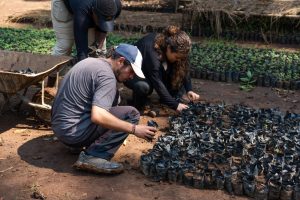
Another important part of the programme was nurturing tree nurseries at the Kenya Forest Service station in Kakamega. Taking part in tree nursery activities reinforced the importance of restoring forest ecosystems and involving young people and local communities in environmental conservation. It reminded me that protecting forests is not only about preserving trees, but also about safeguarding water, biodiversity, livelihoods, cultural practices, and knowledge systems for future generations.
The programme also gave me an opportunity to learn about Luhya culture, particularly the traditional Isukuti dance, which demonstrated how music, movement, storytelling and community participation can keep cultural identity alive. Celebrating International Day of Indigenous Knowledge further deepened my appreciation of the value of indigenous knowledge in addressing contemporary challenges. Indigenous communities possess generations of knowledge about medicinal plants, forests, agriculture, climate adaptation and cultural heritage that deserves recognition and responsible preservation.
My experience in Kakamega strengthened my belief that Africa’s indigenous knowledge should not only be recognized as part of our heritage, but also supported through research, documentation, innovation, conservation, and community-led development.
📸 Photo credits: Sydney Odhiambo
You can still join!
Want to have your own volunteer experience for peace?
Read more Voices of Volunteers
-
A Welcome in the Heart of Embobut
Read more: A Welcome in the Heart of Embobut -
How to become a mentor
Read more: How to become a mentor -
From Luxembourg to the Maasai Mara: A Volunteer’s Journey
Read more: From Luxembourg to the Maasai Mara: A Volunteer’s Journey