
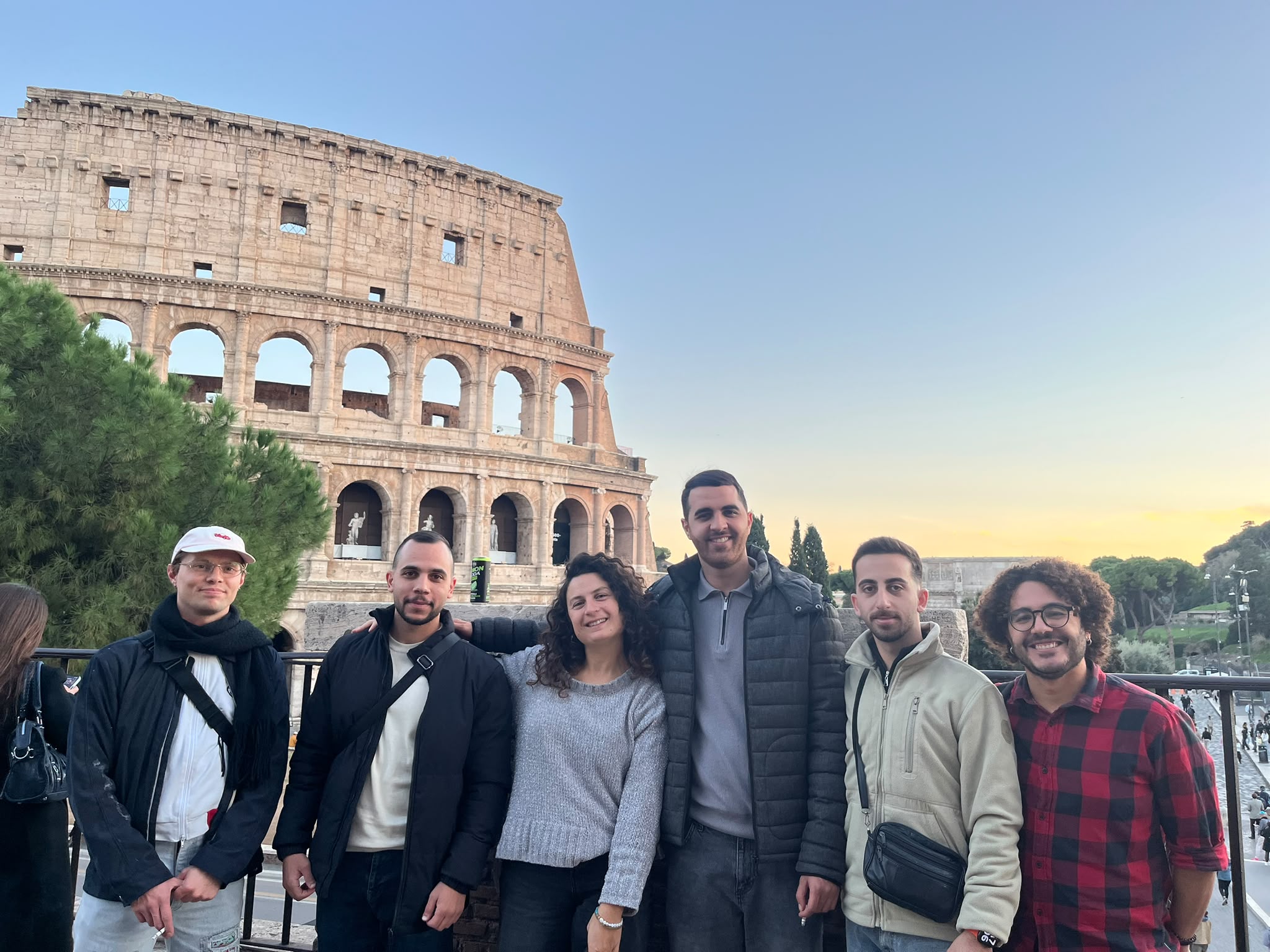
“Faz’a means people coming together”: three young Palestinian volunteers at Rome’s City of Utopia
They come from Bethlehem, Ramallah and Nablus, in the West Bank. They are volunteers in two Palestinian youth associations and have arrived at City of Utopia of Rome for a job shadowing with SCI Italia, the Italian branch of the International Civil Service. The visit is part of Sumud Youth, a Euro-Mediterranean project that supports youth organizations and local activist groups in their work for land and water resilience. Sumud, in Arabic, means perseverance. During their stay, they also spoke at the No Border Fest. “It’s important to be here to talk about Palestine in detail,” Mutasem explains, “and to raise awareness of the situation and what we do as volunteers.”
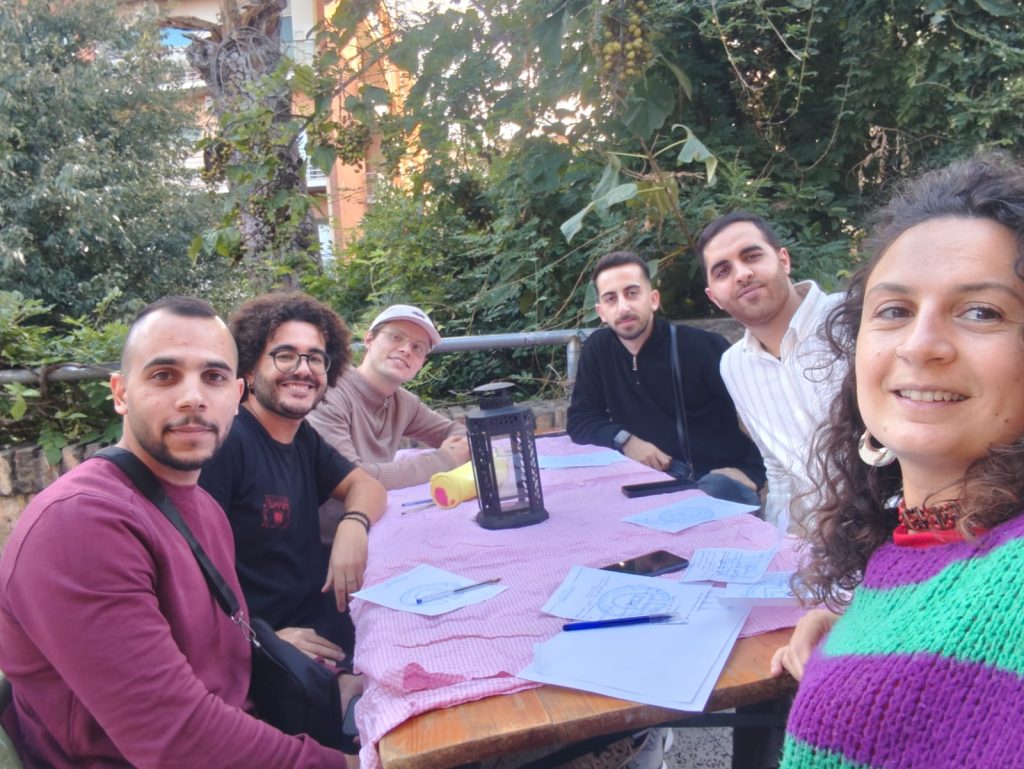
Next to the farmers, in Area C
Mohammed Nofel, 28, and Mutasem, from Bethlehem, volunteer at a center that supports farmers and youth development. Together, they run the Faz’a campaign. “Faz’a, in Arabic, means people who unite ,” says Mutasem. “The main goal is solidarity, being together.”
The campaign takes place primarily in Area C of the West Bank. According to the volunteers, farmers there are more exposed to settler attacks, and Palestinian police cannot intervene without Israeli authorization. “We go to the fields, plant new olive trees, and help with the olive harvest,” they explain. “When they are attacked, they call us, and we go and stand by them. Addressing the situation alone is very dangerous: it takes twenty or thirty people, turning on the cameras, and making our voices heard.”
For the children of Gaza
Mahen, from Nablus, works with the Youth Development Association in Ramallah, which focuses on youth empowerment and supports children and families in Gaza. “We organize recreational activities, classes, breakfasts and lunches, and games that encourage teamwork,” she says. “They help children develop skills and maintain hope despite difficulties.” And her favorite sport? “Football.”
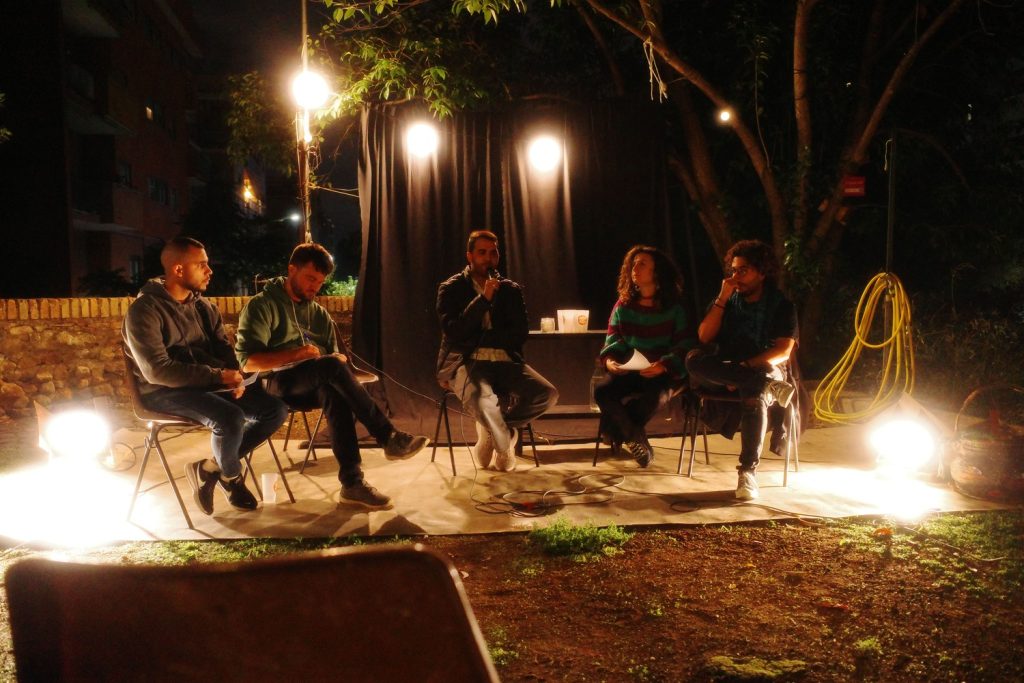
The water that doesn’t arrive
Land and water are at the heart of Sumud Youth, and the three volunteers share their daily lives. In the West Bank, they explain, families keep dozens of cisterns on their roofs: when the water arrives, they have to fill them all, because no one knows when it will return. They say that in 2025, some areas of Ramallah were without water for about four months, and those who could afford it had to pay dearly for it.
Even getting around has become difficult. “Before, if you lived in Bethlehem, you could work in Ramallah. Now, to work in a city, you have to live there,” they say. Every morning, they check WhatsApp and Telegram groups to see which roads are open. “This is our daily life .”
“We believe in freedom, justice and peace.”
What should young people learn today? For them, first and foremost, is teamwork and communication . They do this through workshops and listening sessions where kids can talk about stress and worries. “Despite everything, we continue to support each other and work for a better future,” says Mahen. “We believe in freedom, justice, and peace.”
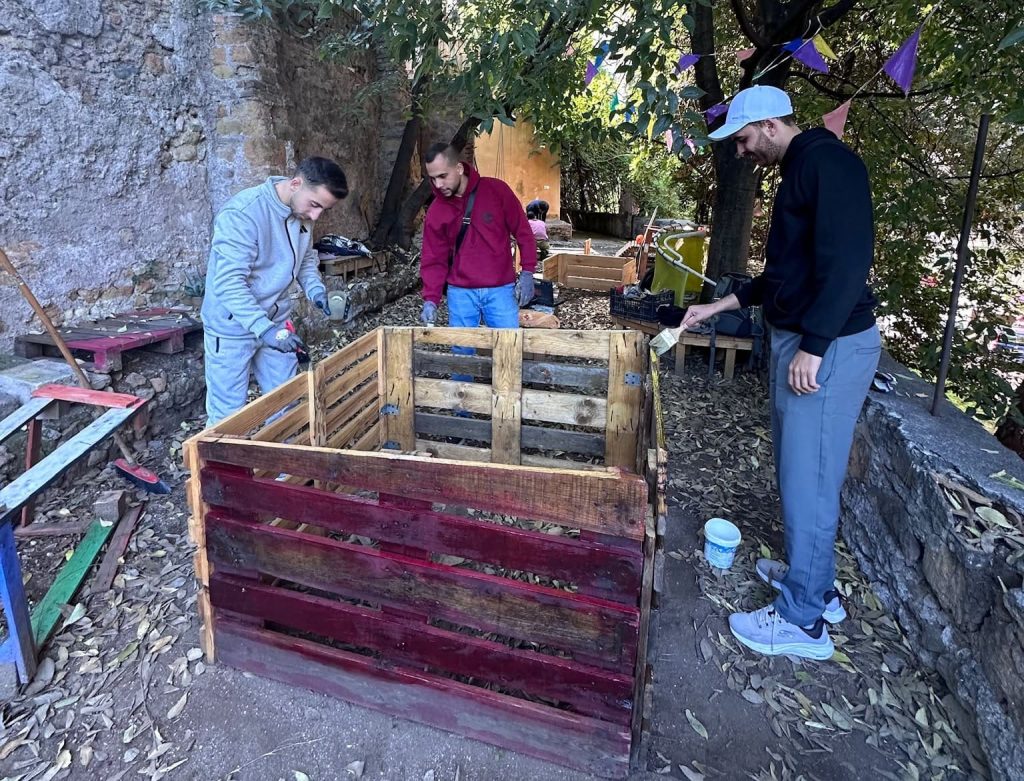
Sumud Youth is a project coordinated by SCI Catalonia and co-financed by the European Union under the Erasmus+ programme.


