CLO.C. in Rome
Strengthening cooperation, quality and impact of European projects
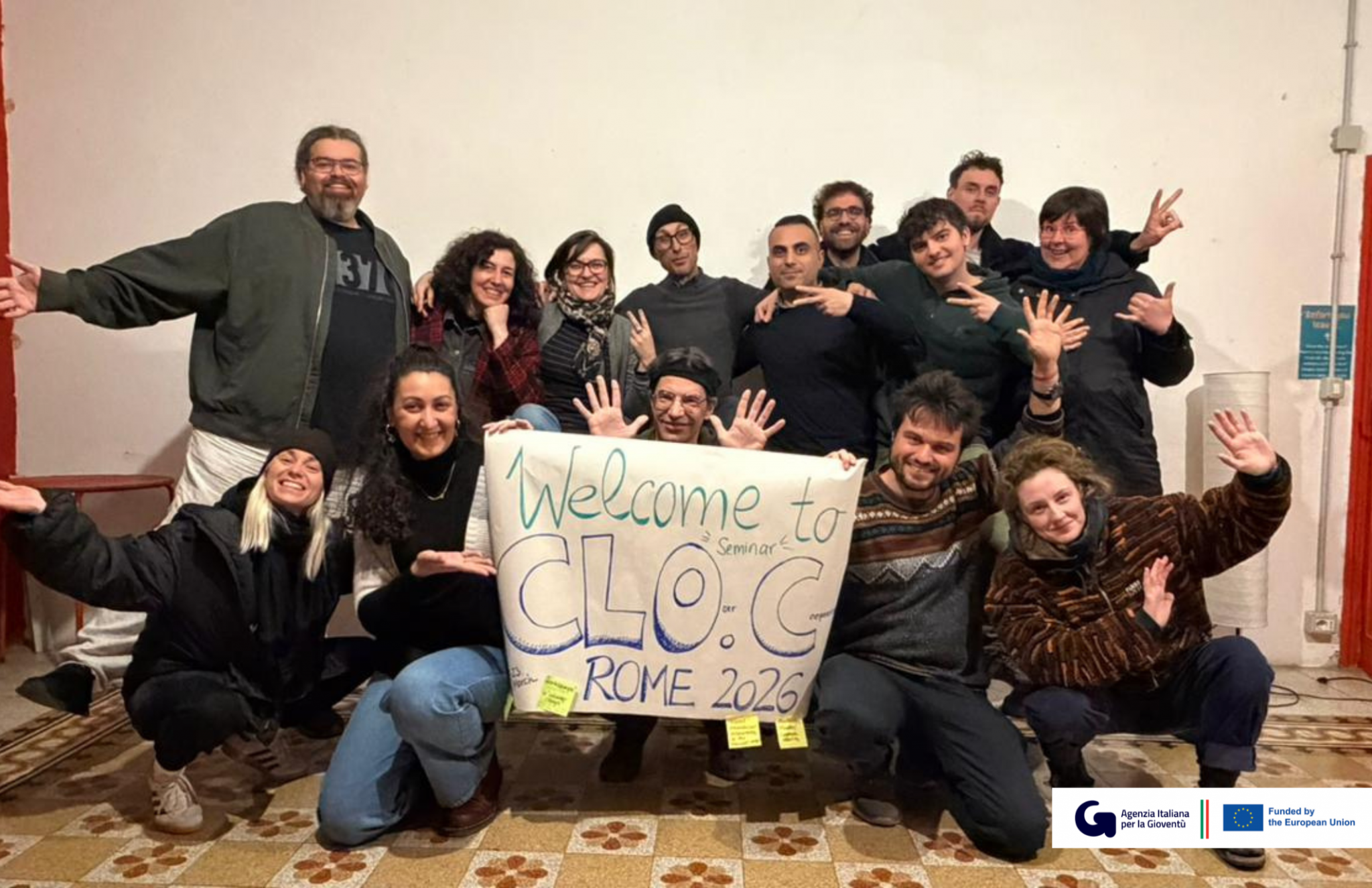
From March 18 to 23, La Città dell’Utopia hosted a group of representatives from various SCI branches and partner organizations of the movement for a meeting focused on strengthening cooperation, quality, and the impact of projects funded by European institutions.
While the mobility of international volunteers to short- and long-term projects is based on procedures established over decades of collaboration, the field of European project development is relatively new. Having developed primarily over the past 15 years, it now requires the establishment of shared tools and guidelines. This has clearly highlighted the need for greater coordination among the branches, with the aim of improving the quality and impact of the initiatives undertaken.
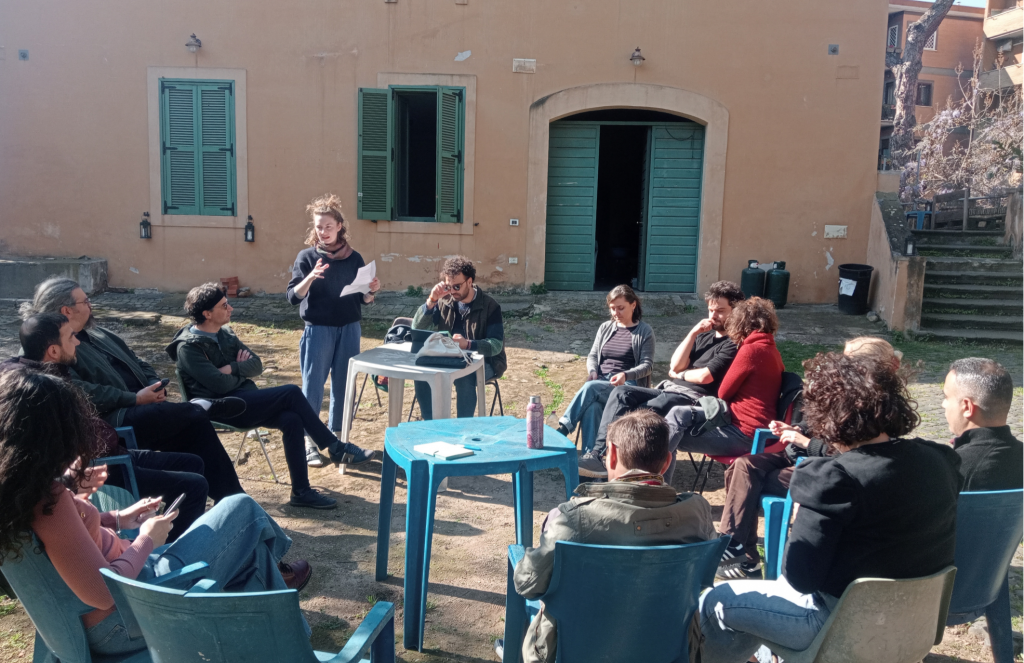
This process led to the birth of the Erasmus+ training : CLO.C. – “Closer Cooperation” – a group composed of trainers, activists, project managers and staff members, committed to strengthening collaborative efforts within European projects.[Text Wrapping Break][Text Wrapping Break]Following an initial in-person meeting in Austria in 2025 and a period of intensive online activity, the group reconvened in Rome to expand its network and update its “plan of action.” The meeting provided an important opportunity to discuss key issues in European project planning: the future of the Erasmus+ program, strategies for effectively involving target groups in the development of project proposals, and the creation of shared models and guidelines for managing funded activities.
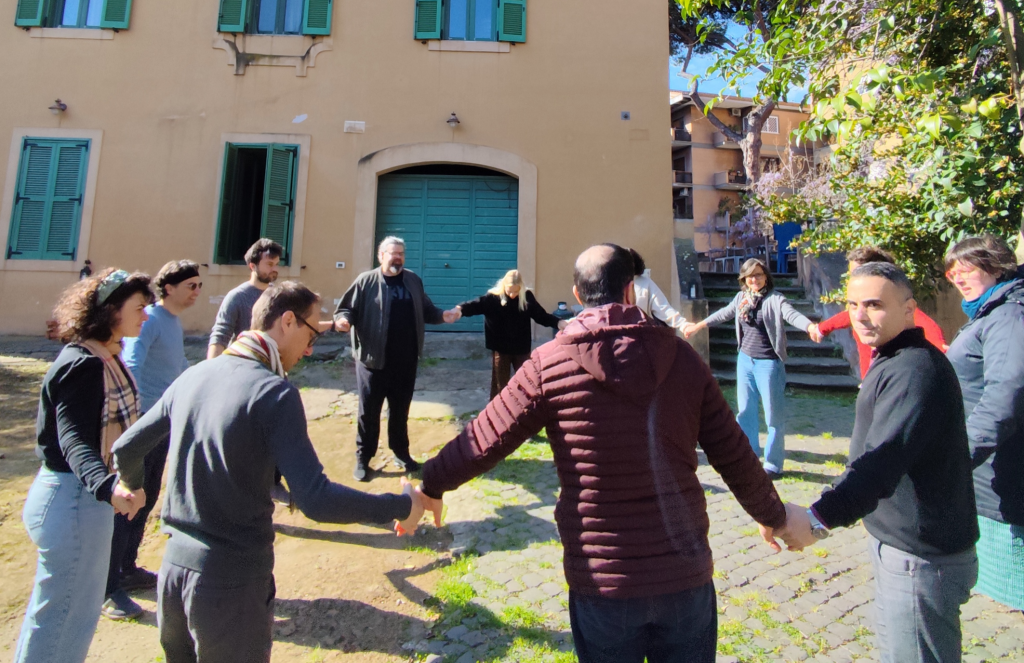
During the sessions, several key issues were also discussed in depth, including the selection and preparation of participants, the process of affiliating with branches, aligning SCI’s values with the priorities of European programs, the inclusion of partners from other regions—particularly from the Global South—and the visibility of activities supported by European funds.
The program alternated between plenary sessions and thematic working groups, while also providing opportunities for informal discussion. These sessions helped to build relationships, strengthen collaboration among organizations, and generate new ideas for future initiatives.
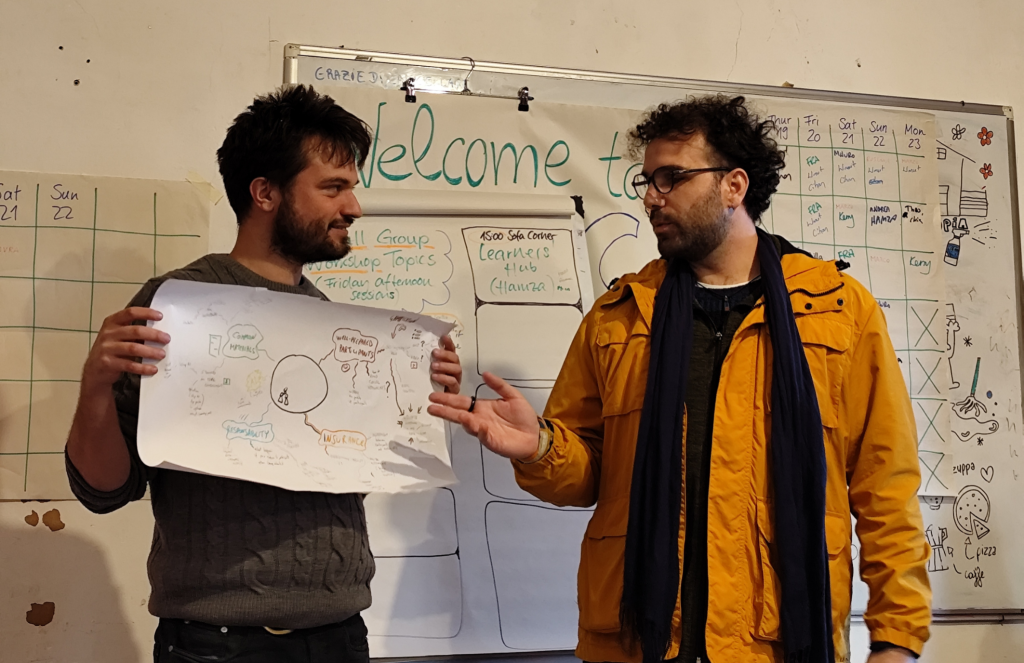
At the conclusion of this latest CLO.C. event, participants parted ways knowing that the process they had begun would continue in the coming months through new meetings, tools, and shared initiatives. This collective effort will help not only to improve the quality of training activities but also to strengthen the identity, values, and mission of the SCI movement.
The “CLO.C. – ‘Closer Cooperation’” training program (grant number 2025-1-IT03-KA151-YOU-000301901) was funded by the European Union’s Erasmus+ Program and implemented with the support of the Italian Youth Agency.