
Changing the narrative: African-led solutions at the Africa Volunteer Summit
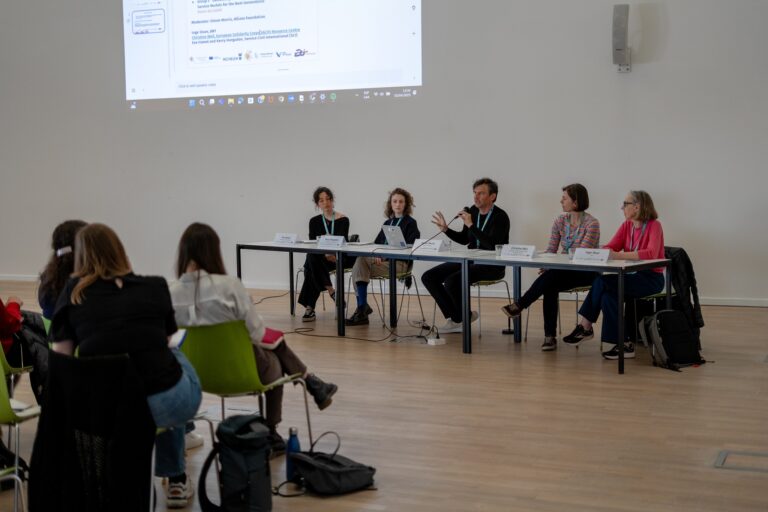
Over 46 participants from 11 different African countries representing East, West, and other regions of Africa gathered in Nairobi, Kenya, from 9 – 14 June 2025, for the Africa Volunteer Summit. Organised in collaboration with the African Working Group and supported by SCI’s resource mobilisation efforts, the summit focused on strengthening volunteer initiatives, sharing best practices, and promoting cross-border partnerships.
The discussions addressed pressing issues such as poverty, education, health, and environmental conservation. Through a series of workshops, panel discussions, and networking sessions, participants explored strategies to enhance the impact of volunteering, leverage technology, and mobilize resources more effectively to empower local communities and drive long-term change.
Beyond these goals, the summit also sought to promote International Voluntary Service (IVS) within the continent, while encouraging partnerships with allies from outside Africa. A strong emphasis was placed on reshaping and redefining volunteerism, changing the narrative, and fostering South–South cooperation. By working together as one united force, African organizations aim to strengthen their influence and stand on equal footing with other global actors.
The African Summit comes at a critical time, as many African nations face interconnected challenges including rising poverty, gaps in education, fragile health systems, and the escalating impacts of climate change. With formal structures often under strain, volunteerism has emerged as a vital force for resilience, innovation, and community empowerment. The summit sought to harness this potential by promoting African-led solutions, fostering South–South cooperation, and leveraging technology to strengthen collaboration and amplify the impact of volunteer initiatives across the continent.
At the summit, Professor Samuel Manda, the principal investigator of the Global Volunteer Index (GVI) initiative, emphasized the importance of data in shaping policies that enhance the impact of volunteerism. He proposed the development of a simplified tool to be employed by the Network of Voluntary Services Organizations to measure its impact, aligning with the broader goals of the GVI.
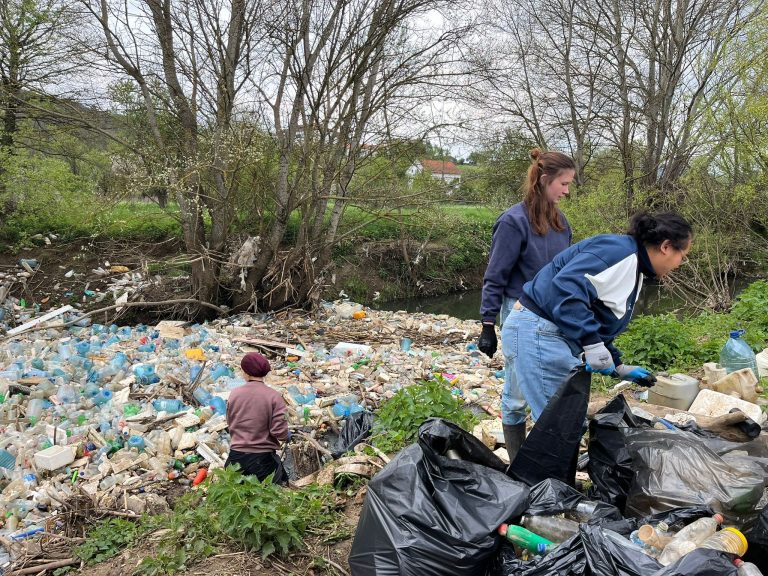
Under the theme of addressing the climate crisis in Africa through volunteering, Brilliant Chepkirui, an eco-feminist and systems thinker, highlighted the importance of eco-conscious volunteering for Sustainable Development Goal 15 (Life on Land). And stated that although Africa contributes less than 4% of global emissions, it suffers disproportionately from climate impacts, which worsen poverty, inequality, and displacement. Volunteers can support projects in climate-smart agriculture, renewable energy, policy advocacy, and circular economy initiatives, working alongside communities to co-create solutions and amplify marginalized voices.
As Brilliant said, “Volunteerism must be prioritized as a core value because it is essential for our survival; everything we do is connected to the climate crisis.” She also mentioned the need to engage African women in volunteering, noting that “their emancipation is key for gender inclusion—they cannot be left behind.”
The summit emphasized ethical volunteering as a way to empower communities by engaging them in projects that build skills and self-reliance, rather than fostering dependency. Volunteers learn to work alongside communities, recognize shared challenges, and strengthen local cohesion. This approach, combined with harmonized programs, joint resource mobilization, and regional networking, aims to reduce reliance on external partners and create sustainable, locally-driven volunteer initiatives across Africa.
The Africa Volunteer Summit was an eye-opening experience for over 46 participants from 11 different African countries representing East, West, and other regions of Africa, highlighting the dedication, passion, and resilience of volunteers across the continent. Many expressed a desire to show Africa’s potential to the world, raise awareness among other organizations and member states, and demonstrate their commitment to helping communities despite resource challenges. As one participant noted, the summit revealed “how much people are committed to volunteer work with passion and love for humanity, and how this makes a huge difference.”
Looking ahead, delegates outlined concrete next steps to strengthen volunteerism in Africa:
- Redefining IVS in Africa: Reimagining International Volunteer Service to prioritize local needs, empowerment, and collaborative action, creating a more impactful and sustainable future.
- Joint Resource Mobilization: Pooling resources and expertise to leverage funding opportunities, build strategic partnerships, and enhance volunteer programs continent-wide.
- Harmonizing Activities and Programs: Aligning initiatives to complement rather than compete with each other, maximizing impact, and strengthening the African volunteer ecosystem.
What happens next will set the stage for a new era of volunteer-driven development, where African communities lead initiatives, share knowledge, and drive sustainable change across the continent.