No Border Fest 2026: From Garden to Table with The City of Self-Production
Olive picking, tending the garden and cooking together. At No Border Fest, the activities of La Città dell’Autoproduzione (The City of Self-Production) were also part of the festival, with support from the international Create Peace project.
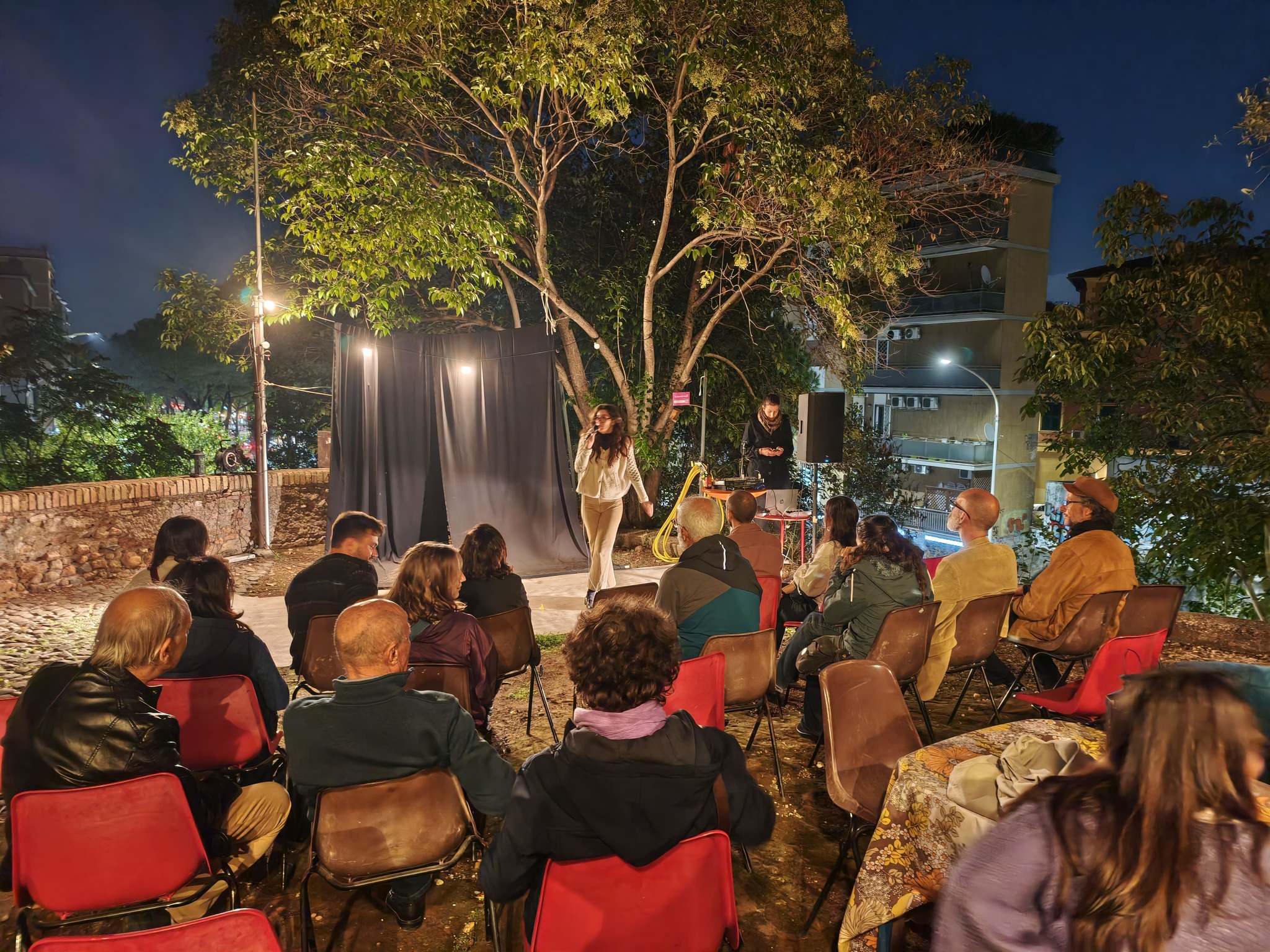
On 23 and 24 October, La Città dell’Utopia hosted the 16th edition of No Border Fest, dedicated this year to the theme Imagining Beyond Borders. The festival explored migration, racism, labour exploitation and freedom of movement through discussions, theatre and artistic projects, including Parolità with Piccola Radio.
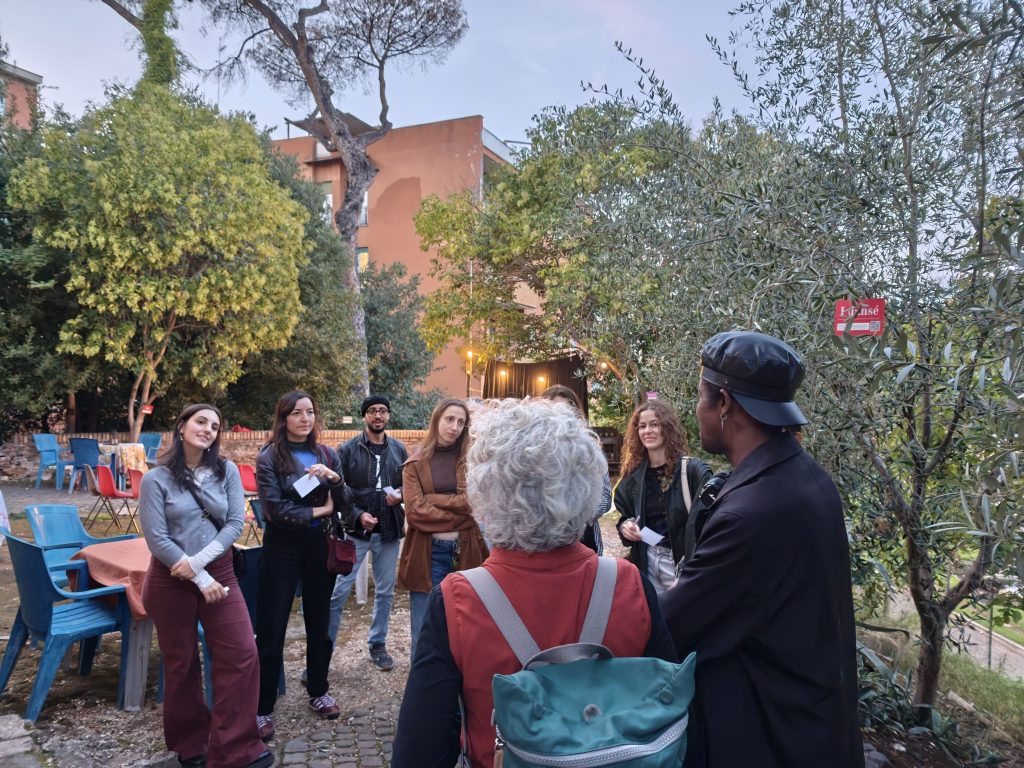
Alongside the festival programme, we organised “From Garden to Table”, an initiative by La Città dell’Autoproduzione that brought together local and international volunteers and activists.
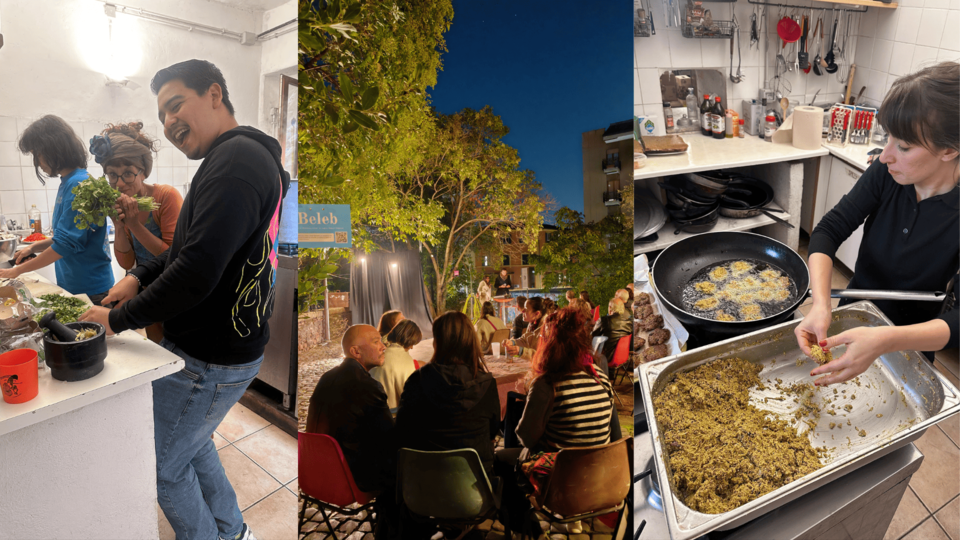
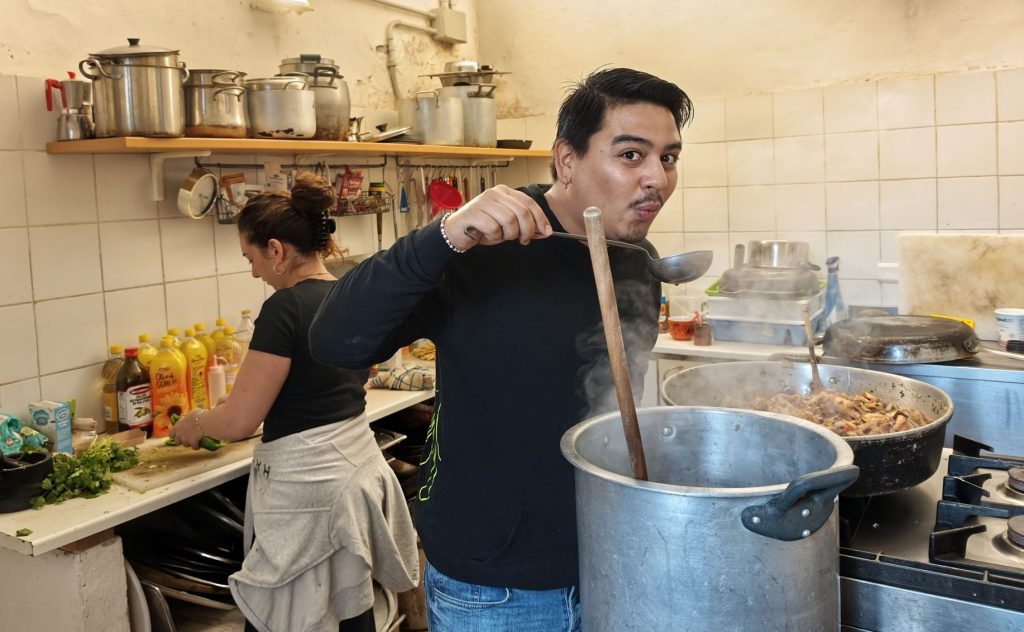
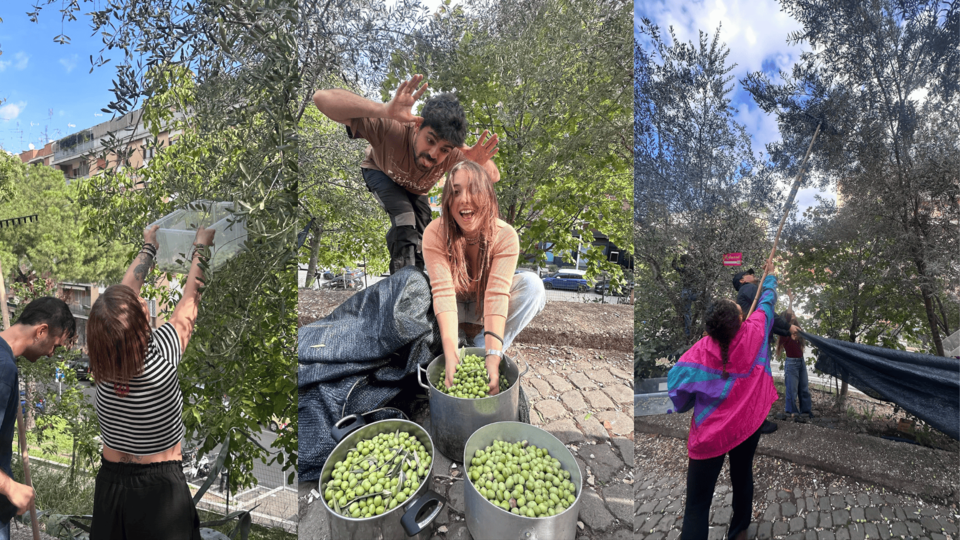
The activities began in the community garden, with tending the plants and harvesting olives, before moving into the kitchen to prepare the festival dinners.
The group and activists from La Città dell’Utopia shared recipes from different countries, from mujaddara with rice and lentils to Moroccan spiced carrots, from Palestinian mutabbal to Indian pakora, and a vegetarian version of the Venezuelan pabellón.
Participants in the job shadowing programme of the Erasmus+ project SUMUD YOU, of which SCI Italia is a partner, also joined in.
Picking olives gives us a first-hand understanding of the work behind a product we are used to buying ready-made. It means experiencing nature’s rhythms, seasonality and the effort it takes to produce the food we eat.
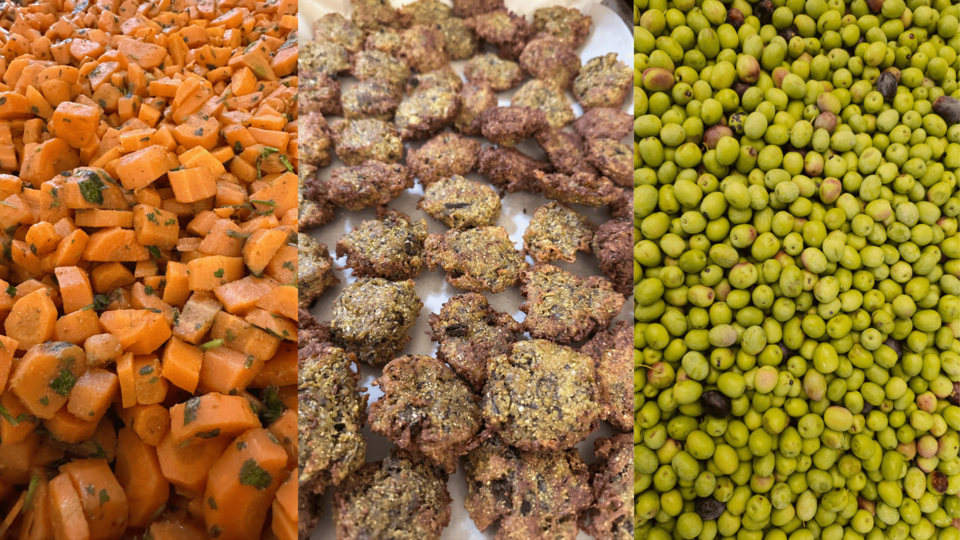
Caring for a garden helps us understand how food grows, how much attention soil, water and plants require, and why protecting biodiversity matters.
Cooking for a large group also involves making choices. We need to plan quantities, make good use of available ingredients and try not to waste food. During the festival, we prepared mostly vegetable-, pulse- and grain-based dishes, sharing recipes and knowledge from different culinary traditions.
These may be small actions, but they help us better understand what we consume and bring us closer to the processes involved in producing food.
This is exactly what La Città dell’Autoproduzione works on, a project funded through the Baptist Church’s 8×1000 tax allocation. Through collective gardening and workshops, the School recovers and shares practical skills, promotes self-production and encourages a more mindful use of resources.
There is also a political dimension. Today, much of our food production depends on supply chains over which we have little control, often marked by inequalities in access to land and working conditions.
Food sovereignty is about communities’ right to decide how their food is produced, while protecting natural resources and the people who work the land.
Growing food in a garden or preparing a communal dinner is not enough to change this system. But learning to produce something ourselves, sharing skills and reducing waste can make us less dependent on certain patterns of consumption and help us better understand their consequences.
These questions are also connected to those raised by No Border Fest. Resource exploitation, agricultural working conditions and the effects of the climate crisis contribute to inequalities across regions and can also influence migration.
“From Garden to Table” was made possible by a microgrant awarded to SCI Italia as part of Create Peace: Youth Artivism for Climate Justice, coordinated by SCI International and co-funded by the European Youth Foundation of the Council of Europe.
The project supports activities that introduce young people to climate justice through volunteering and hands-on learning.
At No Border Fest, this meant directly involving young volunteers in tending the garden, picking olives and preparing meals. By working together, people from different backgrounds shared skills and tried out sustainable practices they can also use in everyday life.
We thank all the associations, collectives, activists, volunteers and everyone who helped make the festival happen.
To learn more about the activities of the School of Self-Production and join upcoming events, follow its Instagram account @cittadellautoproduzione or visit its website cittadellautoproduzione.org